
Bone Broth 101
Whether you’ve never tried it, or you enjoy bone broth daily, it’s likely that you've heard of bone broth. What is it, how do you make it, and what benefits are there to having bone broth during pregnancy and postpartum?
What Exactly is Bone Broth?
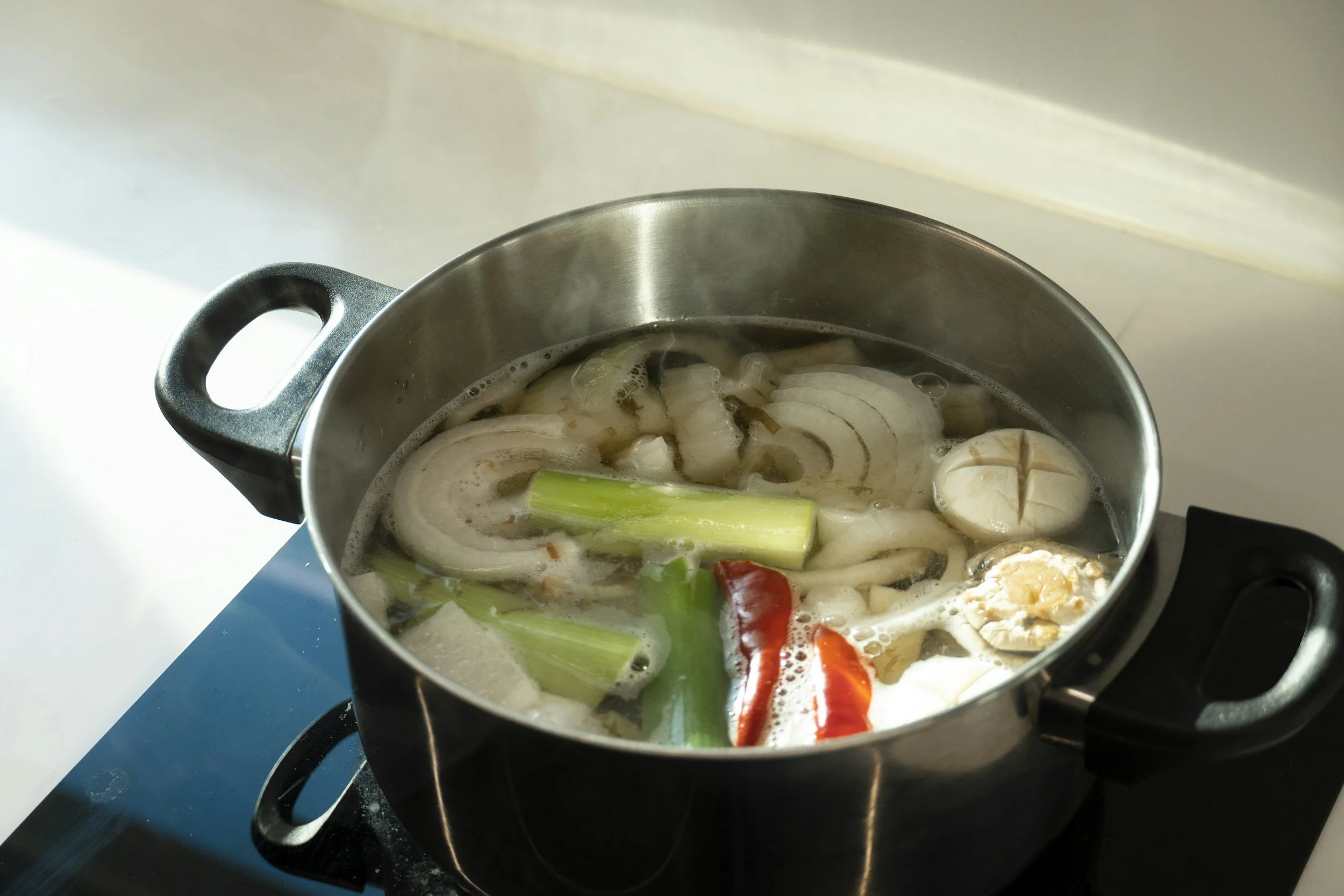
Bone Broth vs. Stock
Bone broth is traditionally made with bones of an animal (usually cow or chicken), along with connective tissue or other parts like chicken feet. Stock is also made from bones, but simmers for a much shorter time, usually just a few hours. Bone broth is typically cooked at a simmer for up to 24 hours. Typical broths are made with more meat than bones, and don’t cook for as long as bone broth or stock.
Key Components of Bone Broth
Out of the 3, bone broth is highest in collagen, protein, and mineral content, due to the long cooking time. Nutritional content may vary based on preparation, but bone broth typically has 8-10 grams of protein per cup, plus minerals like calcium, magnesium, potassium, and iron.
The High-Impact Benefits: Bone Broth for Pregnancy and Postpartum

Relief from Morning Sickness and Digestive Concerns
If you’ve had the exhausting experience of morning sickness (or better said, just all day nausea), bone broth is liquid gold. One of the biggest risks of morning sickness and vomiting is dehydration. When dealing with nausea and aversions, it can sometimes be hard to stomach plain water, making it even harder to stay hydrated. Sipping on bone broth can be a big help, as it not only provides hydration, but it is a good source of protein, which can settle the stomach. It also provides valuable minerals that can be depleted in the body from vomiting, such as sodium, potassium, and magnesium. Especially when homemade, bone broth can be a very mild, comforting flavor that is easy to keep down.
Supporting Skin and Joint Health
Bone broth is a great source of glucosamine and chondroitin, two compounds known for joint support. Glucosamine is a natural compound in the body that is found in joint tissue and is a part of the creation of healthy cartilage. Chondroitin is another natural component of cartilage that plays a role in maintenance. Both are potentially anti-inflammatory and can promote healthy joints. The long simmering of bones and connective tissues for bone broth extracts these compounds naturally. (While the amounts of these that occur in bone broth are regarded as safe, taking either one as a separate supplement is generally not recommended in pregnancy and can have some drug interactions.)
Collagen has had a huge increase in popularity in recent years. One of the main benefits of collagen in pregnancy is it’s role in tissue building. A protein, collagen makes up a large amount of our tissues and plays a role in skin elasticity, gut lining, joint health, and more.
Building Reserves for Labor and Recovery
Pregnancy, labor, and postpartum deplete your mineral stores rapidly. Bone broth is rich in easily absorbable calcium, magnesium, potassium, sodium, and phosphorus. Consuming it often helps ensure that when you give birth and go through the early stages of breastfeeding, you are not borrowing these critical minerals from your own bones and tissues.
After birth, your body is in an intensive state of repair and recalibration. Bone broth provides protein in the form of amino acids (like Glycine and Proline, building blocks of collagen). This is crucial because a healing body often lacks the energy and digestive fire to break down heavy steak or beans. By sipping broth, you get the necessary building blocks for tissue repair (whether a perineal tear or a C-section incision) without taxing your already busy digestive and immune systems. It is the ultimate recovery fuel.
Promotes Calm and More Restful Sleep
Glycine acts as an inhibitory neurotransmitter in the central nervous system. Think of it as a natural "dimmer switch" for your brain. By helping to calm excited neurons, glycine directly aids in reducing the stress response, helping to ease those anxious thoughts that keep you awake at night.
Several studies show that consuming glycine before bed can improve sleep quality, helping you reach those restorative deep sleep stages that are essential for hormone regulation and energy restoration. In short, drinking bone broth is a gentle way to soothe your nervous system, aiding both sleep and potentially reducing the risk of prenatal/postpartum anxiety.
How to Make Bone Broth at Home
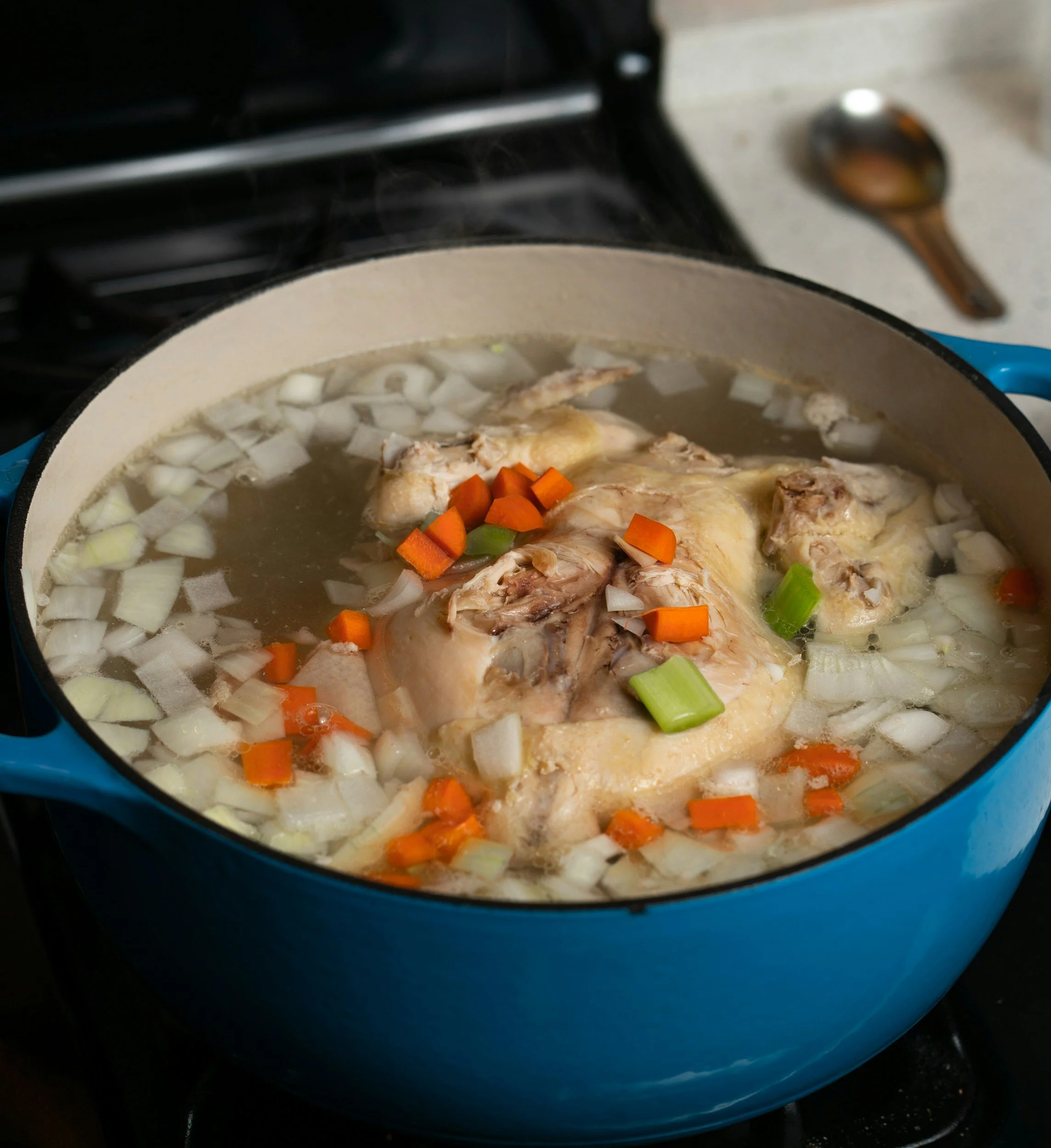
Making bone broth at home is not only incredibly cost-effective, but it is a great way to ensure the quality since you know exactly where it is coming from. You can make bone broth as simple or as complex as you’d like, there is no wrong way!
Ingredients
The key to a high-impact, jiggling broth lies in the cooking time. Feel free to play around and make something you love:
Bones: A mix is best. Always source bones from grass-fed beef or pastured chickens for the highest nutrient profile. Include joint bones (knuckles, chicken feet) for maximum gelatin.
Acid: 2 tablespoons of apple cider vinegar per gallon of water. Don’t skip this! It pulls the essential minerals out of the bones.
Water: Enough to fully cover the bones.
Aromatics (Optional): Salt, pepper, a bay leaf, and leftover vegetable scraps (onions, celery, carrots) for flavor.
My personal favorite way to make bone broth is to keep a large bag or container in the freezer where I will put cleaned vegetable peels, onion ends, herbs, and anything else I want to use. I will often buy a whole chicken, cook that, and keep the meat for later. Then after removing the meat, I either add the bones to the freezer bag, or go ahead and start the broth. If you think about it, it costs nothing extra at all and is a great way to have a sustainable kitchen practice.
Step-By-Step Instructions
Roast (Optional): If using beef or chicken bones, quickly roast them at 400°F for 20 minutes to enhance flavor.
Simmer: Add the bones, aromatics, and vinegar to a pot (stock pot or slow cooker). Bring the water to a boil, then immediately reduce the heat to the lowest possible setting—you want a gentle ripple, not a rolling boil. Skim off any foam that rises.
Time is Key: Simmer for a minimum of 12 hours (chicken) or 24–48 hours (beef). Let cool slightly before straining.
Strain and Store: Strain the liquid, discarding/composting the solids. Let the liquid cool completely before storing it in containers in the refrigerator (where it should ideally gel) or freezing it for long-term use (I love silicone soup cubes for freezing broth!)
Quick Tip: How to Use It Daily
Make bone broth a non-negotiable part of your daily routine—it should be as easy as drinking water!
Sipping Tonic: Replace your morning coffee or evening tea with a warm mug of broth, seasoned with a pinch of sea salt.
Cooking Base: Use it in place of water when cooking rice, quinoa, or lentils for an instant nutrient boost.
Smoothie Addition: A spoonful of cooled, gelled broth can be blended into a smoothie (the taste disappears, but the nutrients remain!).
Conclusion
Don't let the simplicity of bone broth fool you. By incorporating this single, amazing food, you are actively supporting your gut, building deep mineral stores, and giving your body the gentle repair fuel it needs to thrive. Bone broth is not a trend; it is the ultimate, proven foundation for maternal resilience.
Bone broth is foundational, but it’s just one piece of your full nutritional roadmap. True confidence comes from having a comprehensive, tailored plan that covers every nutrient need.
Ready to stop guessing about your nutrient needs and implement a customized, high-impact plan designed for your unique phase of motherhood? Learn more about the 12-Week Pregnancy Roadmap—where we build your foundation, sip by sip.
